Home Remodeling in Loganville, With the House Back in Order Each Evening
Kitchens, basements, baths and whole-home renovations in Monroe, Grayson and Social Circle, done with your floors covered, the work zone sealed and every room put right before the crew goes home.
(000) 000-0000 — talk through the mess before it startsWhere our crews work
- Monroe
- Snellville
- Grayson
- Walnut Grove
When we pick up
- Mon–Fri 9:00 AM-6:00 PM
- Sat–Sun Closed
What Stays Protected
-
Floors under cover
Hard floors and carpet between your door and the work get covered before demolition starts.
-
Dust kept at the doorway
Sheeting goes up across each opening into the work area, so the next room over stays usable.
-
Cleared before we leave
Scraps, packaging and dust are cleaned out at the close of every workday, not saved for the end.
-
Signed before it changes
Any added or altered work comes to you priced in writing and waits for your signature.
Kitchens, Baths, Basements and More
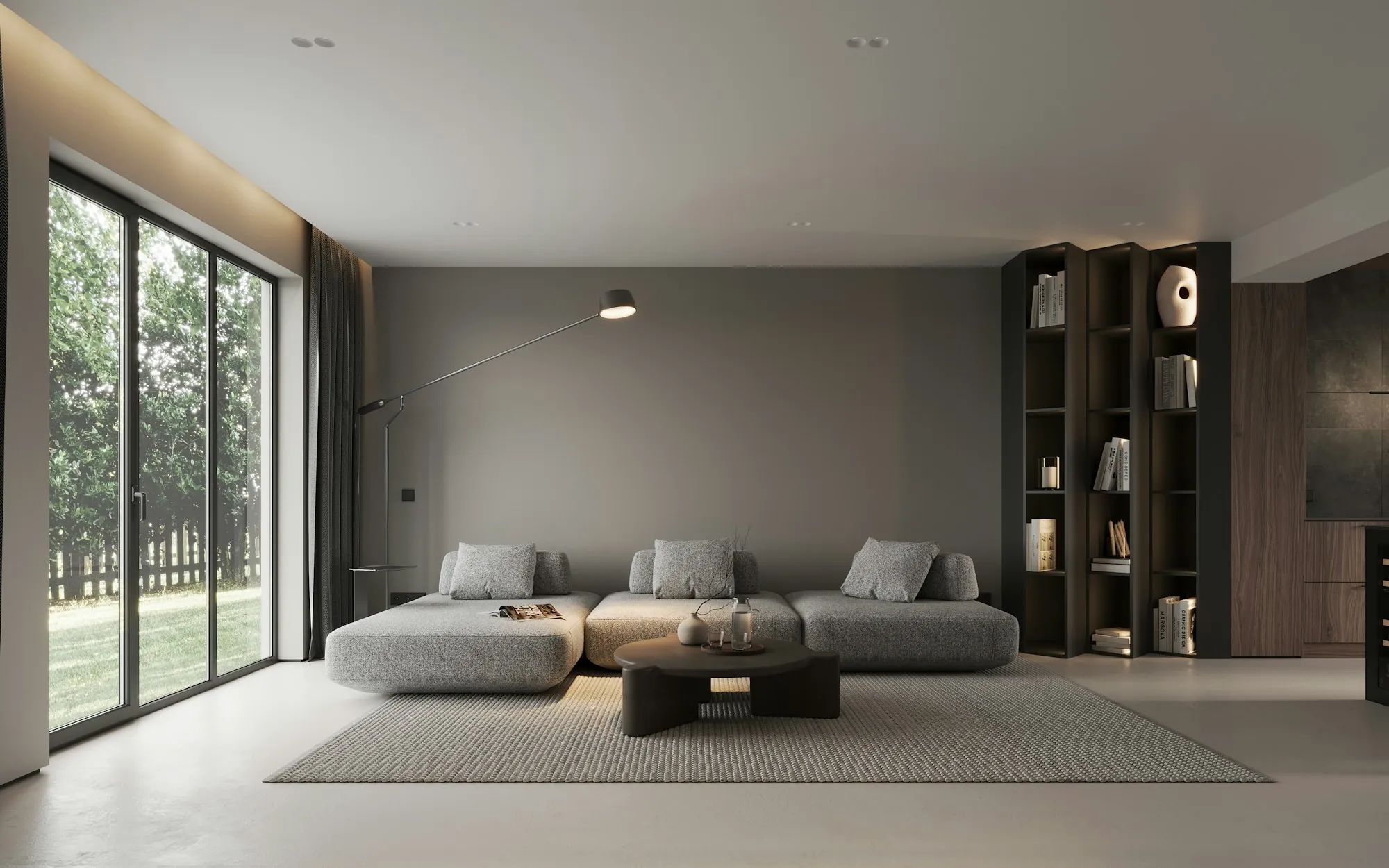
Our busiest work is turning basements into living space and reworking whole houses room by room, with kitchens and baths a close second. Painting, additions and ADUs come with identical protection: floors papered, doorways sheeted.
-

Whole-Home Renovations
Layouts reworked and rooms refinished across the house, done in sealed-off phases so you keep a clean bedroom and a working bath.
-
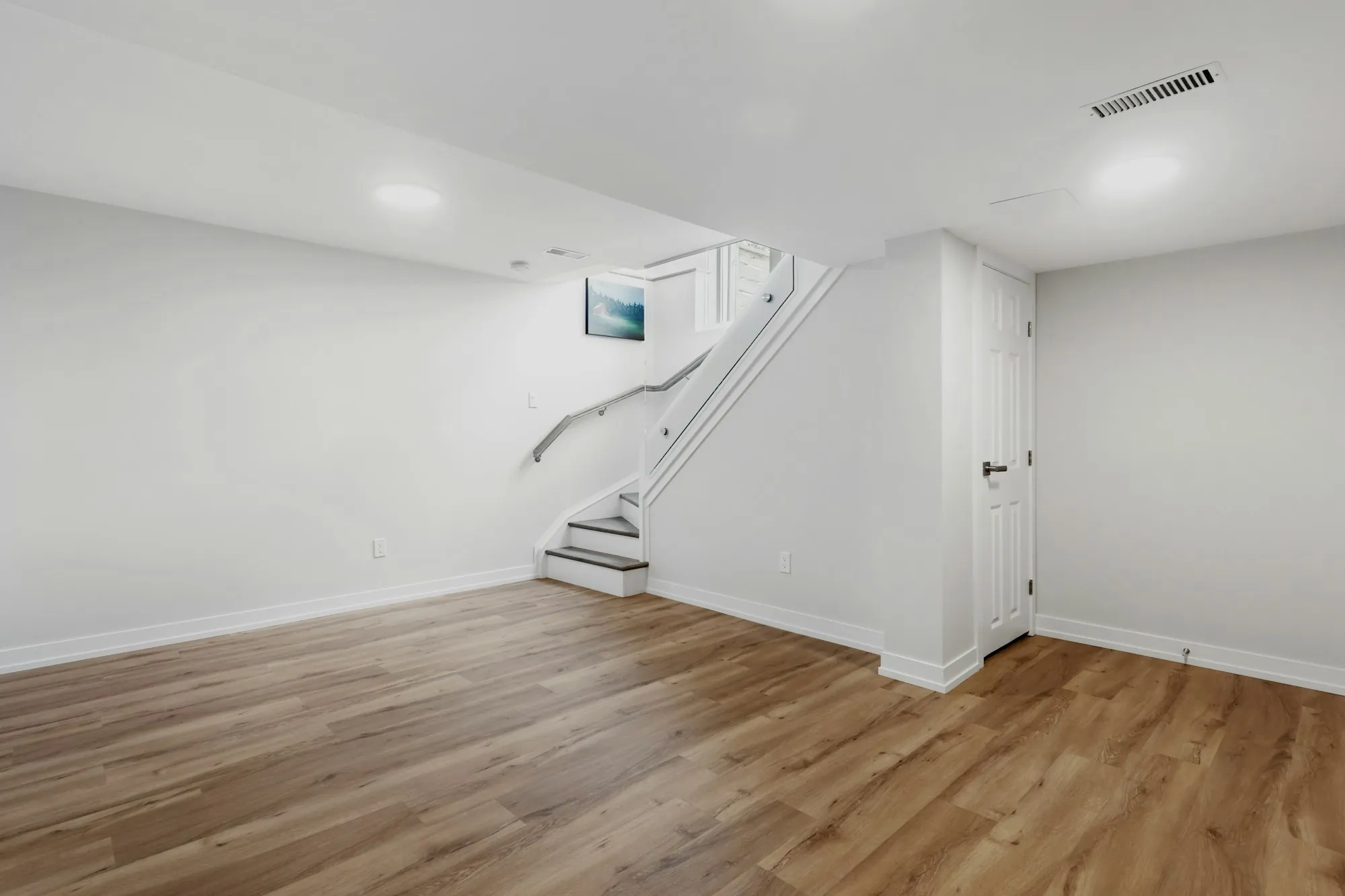
Basement Finishing & Remodeling
Lower-level space for a den, office, gym or guest room, built after a moisture check with the dust kept downstairs.
-
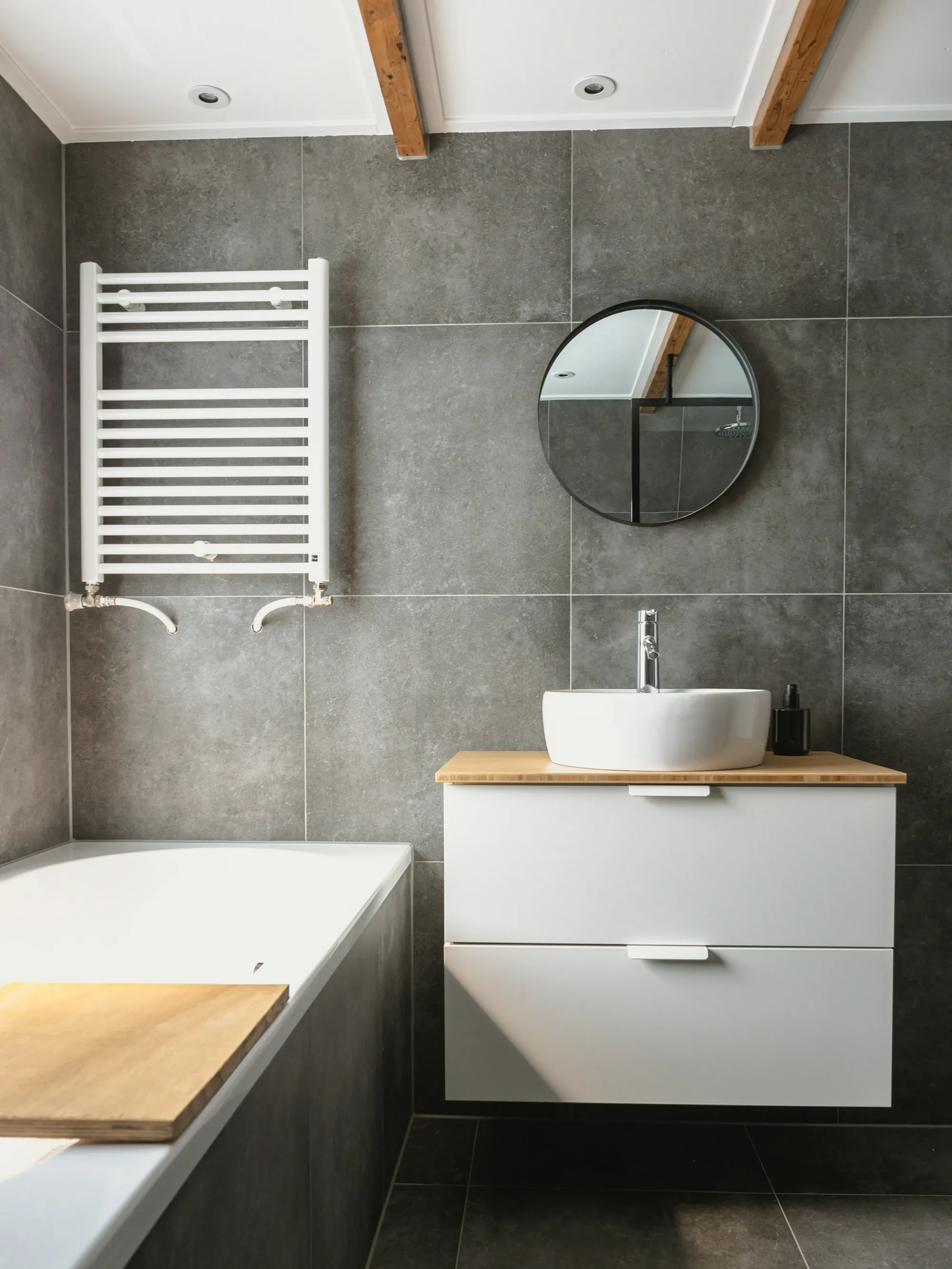
Bathroom Remodeling
Primary, hall or guest bath, from a vanity swap to a full gut, with tile dust kept behind a sealed door.
-
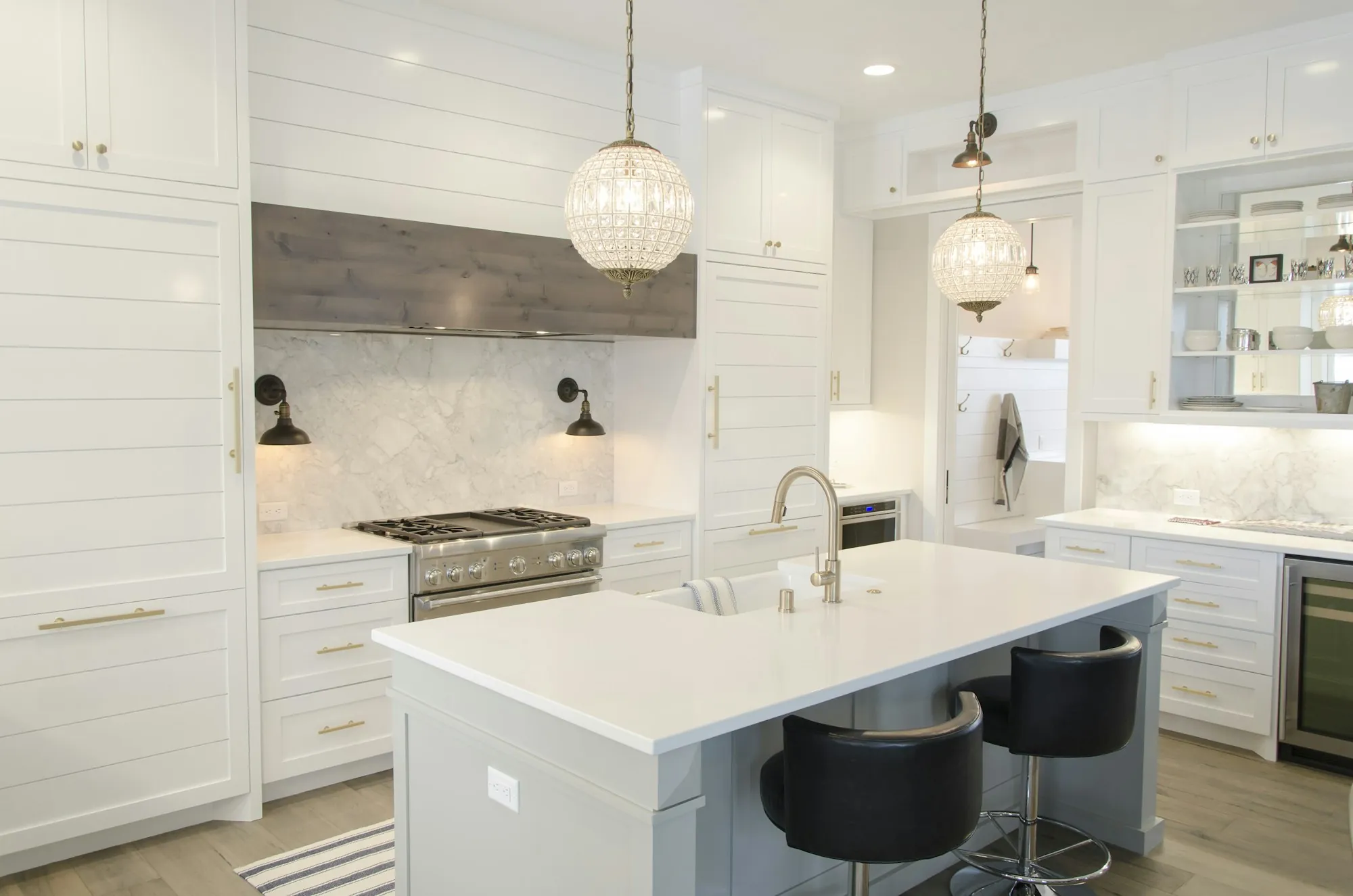
Kitchen Remodeling
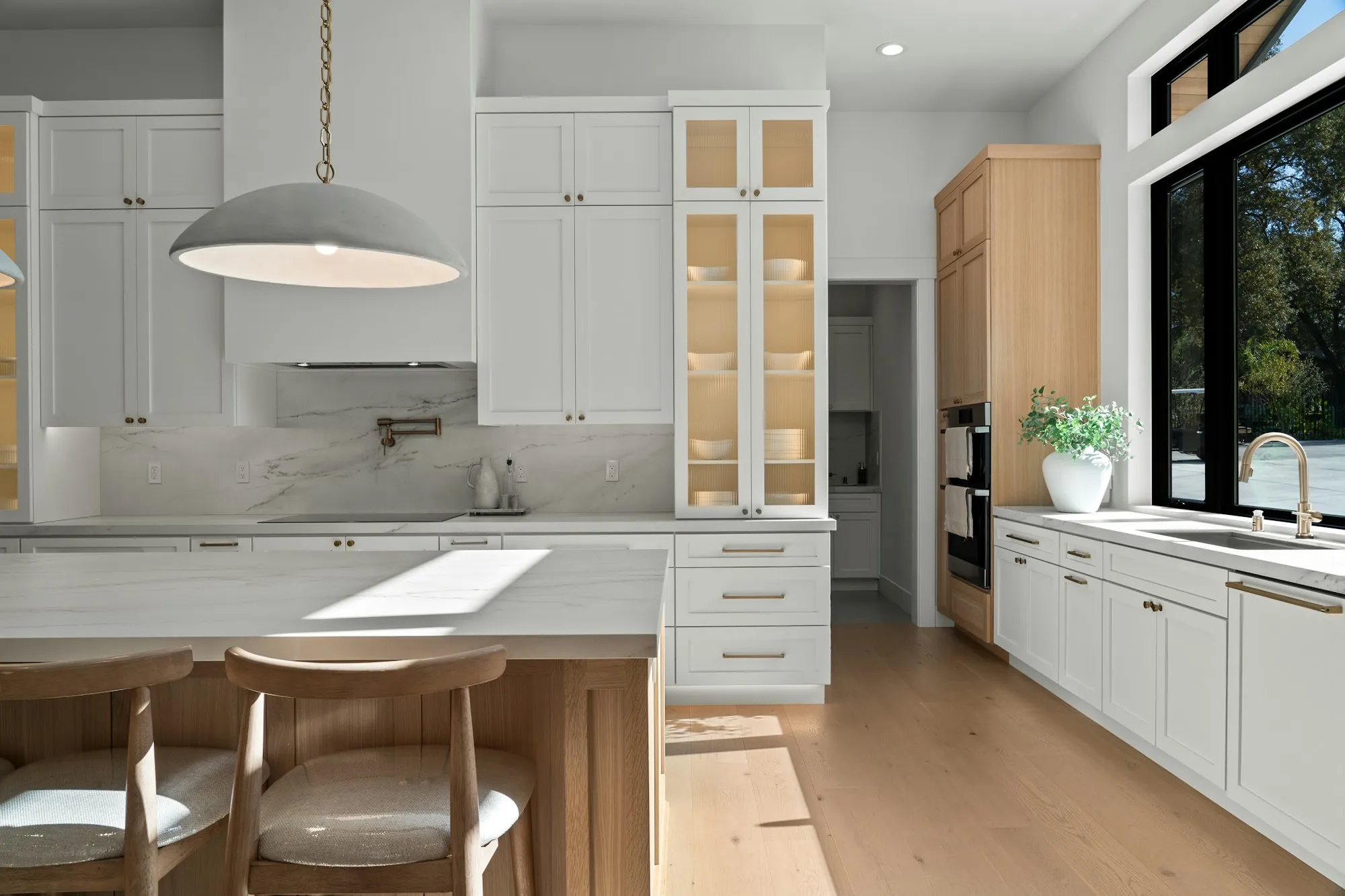
A kitchen rebuilt around how you cook, with a stand-in cooking spot ready before demolition and dust kept off the dining table.
-
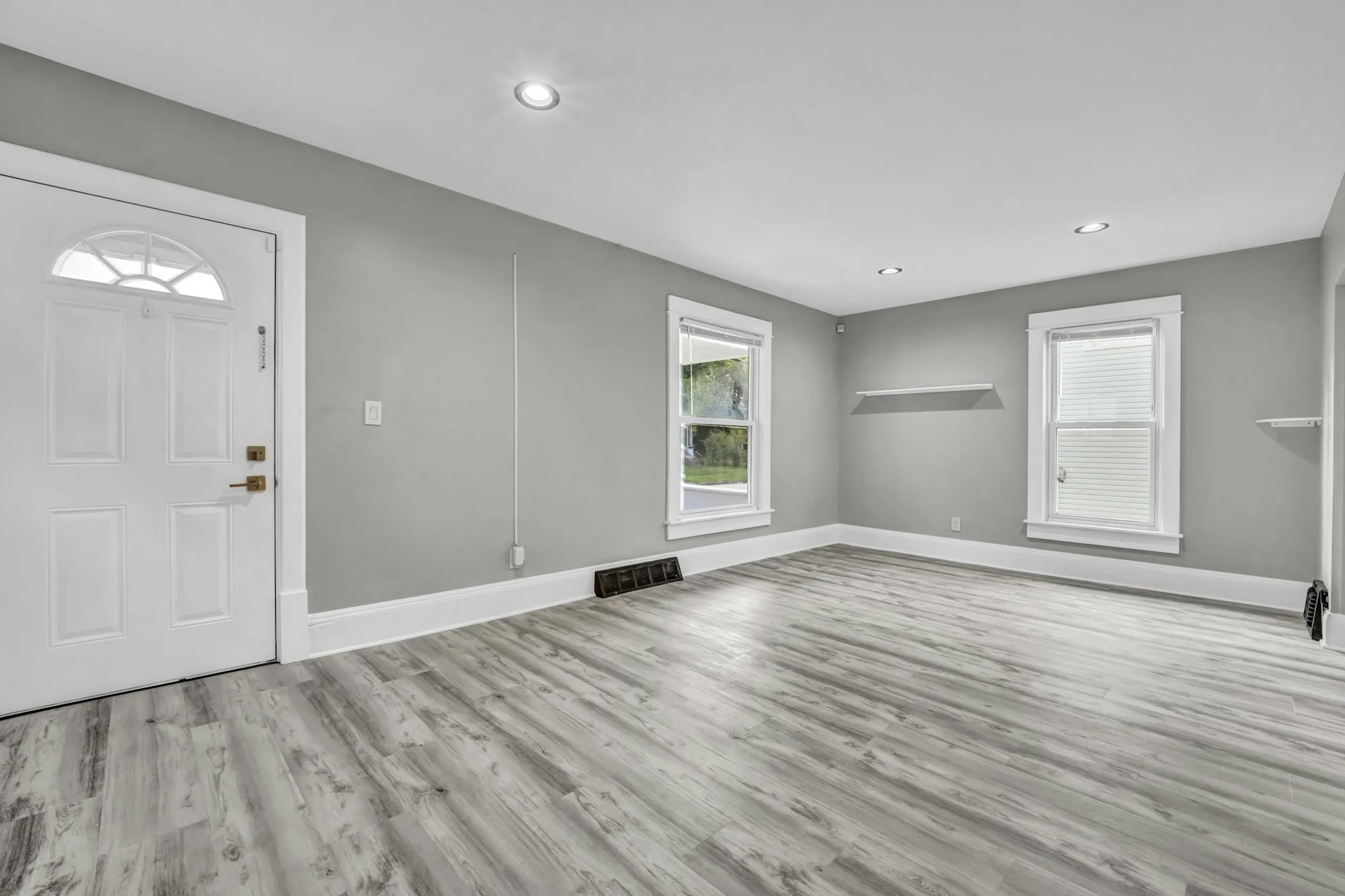
Interior & Exterior Painting
Bedrooms, stairwells, cabinets and outside trim, washed, patched and primed before color, with your furniture under cover until the paint dries.
-
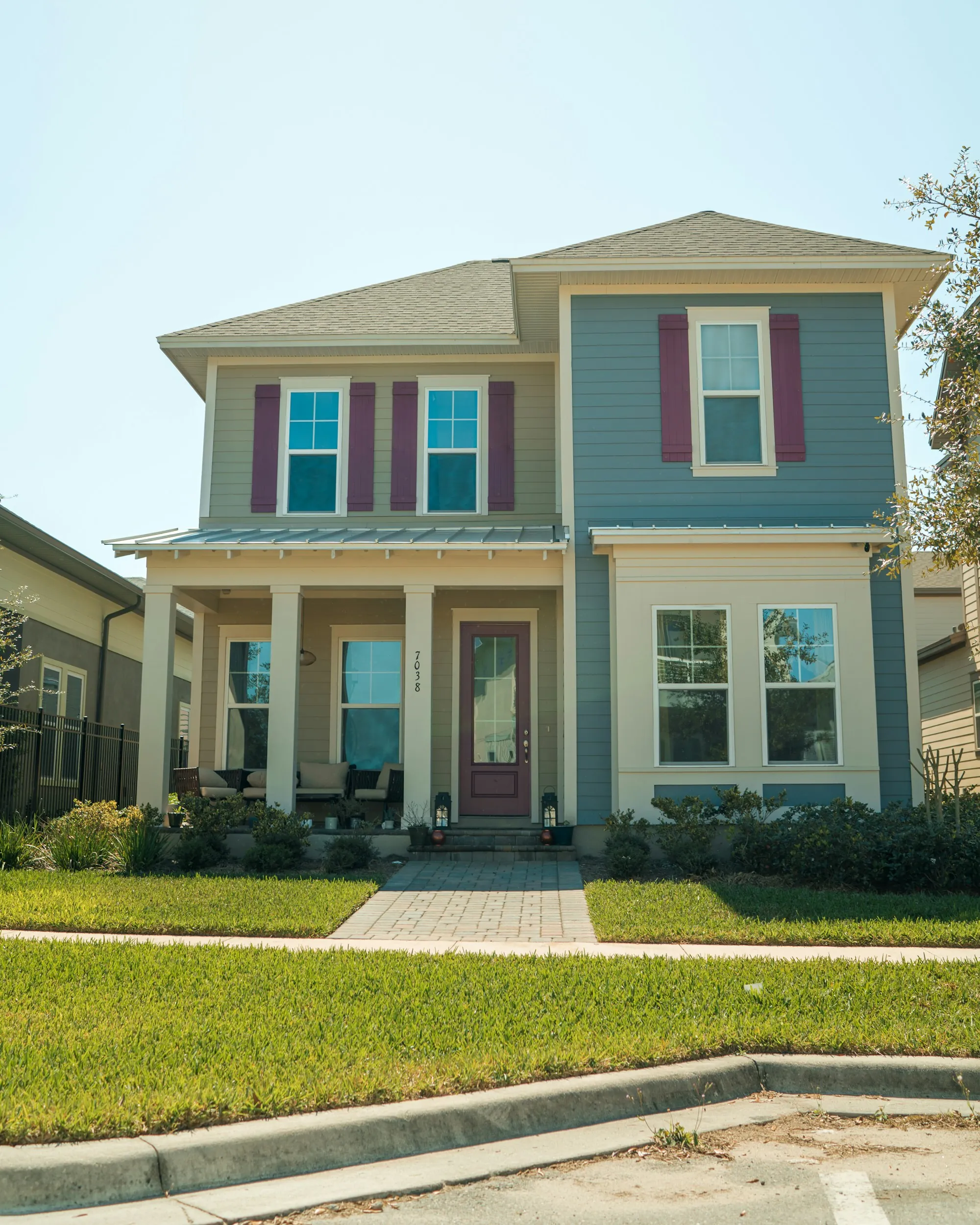
Home Additions
Extra bedrooms or living space joined to your house, with the shell closed in before the existing wall is ever opened.
-
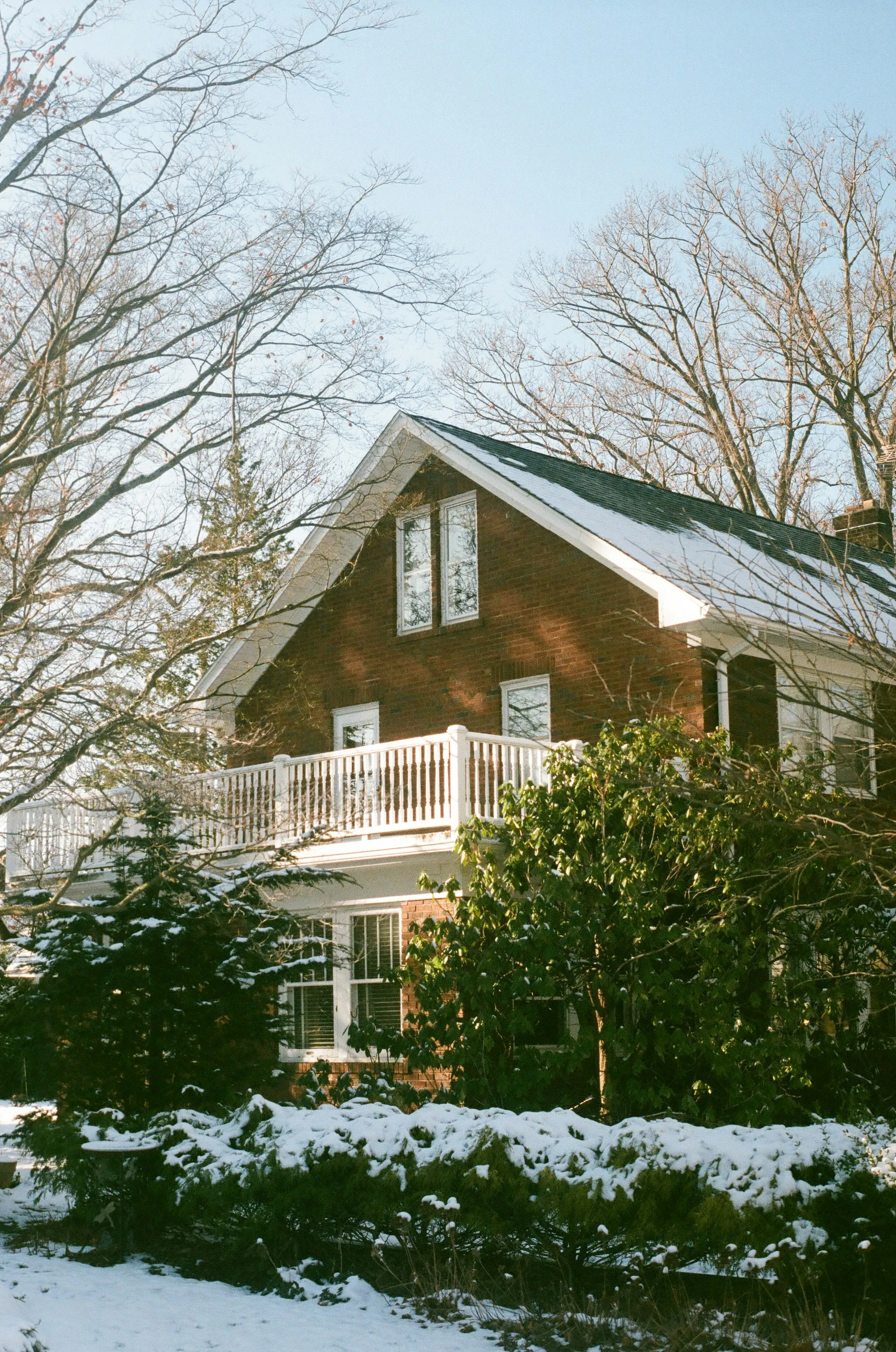
ADU Construction
A compact second home on your lot, whether a backyard cottage, an attached unit or a converted garage, where zoning allows.
Five Reasons the House Stays in Order
Clean floors at the end of a workday start with how the job is set up. Here is how we set ours up.

-
One Contract Covers Every Trade
Framers, tile setters, painters and whatever pipe or wiring work the new layout brings all answer to us, under a single contract. So when a trade leaves sawdust in the hall, it's our problem, and we deal with it.
-
A Single Contact for Every Question
From the day someone first walks your rooms to the day you sign off, one project manager is your contact. That person can tell you where the crew works tomorrow, what stays covered and when you get a room back.
-
A Written Schedule You Can Plan Around
You'll have the schedule on paper ahead of the start date, so loud days and closed-off rooms aren't a surprise. Updates come at regular points along the way, and if you phone with a question, the reply doesn't take days.
-
No Surprise Work in Your House
Want an extra outlet, or did an opened wall turn up rot? Either way, you see a written change order and its price first. The crew doesn't start on it until your signature is on that page.
-
Protection Up Before Tear-Out
Paper or runners go down on the floors and plastic goes up at the doorways before anyone swings a hammer. Each workday finishes with the area cleaned, so you walk into a house, not a construction site.
Four Steps From Phone Call to Clean Handover
Each step has a protection plan attached, so the house is looked after from the first visit to the last sweep.
-
We Talk on the Phone
You describe the project and we ask the practical questions: how old the house is, which rooms have to keep working and where the crew would come in. Then we say plainly if the job suits us.
-
We See the Rooms and Write It Up
If it fits, we visit, measure and note what needs covering. You receive an itemized scope, materials and price on paper, plus a written schedule, and you sign only when it reads right.
-
We Build Behind Barriers
Coverings and plastic go up first, then demolition. Your project manager keeps the trades in sequence and sends regular updates. If something needs to change, you get it in writing with a price, and nothing proceeds until you sign.
-
We Clean Up and Hand It Back
When the last fixture is set, the protection comes down and the area gets a full cleaning. We walk every finished room with you and fix whatever you point out before closing the job.
Worried About What the Rest of the House Will Look Like?
Most people fear the dust more than the demolition. Tell us the project and the rooms you still need every day, and we'll describe how we'd keep the work away from them.
Towns We Work In
Loganville is home base, and we also take on projects in Monroe, Snellville, Grayson, Walnut Grove and Social Circle. A short drive means the crew has time to clean up properly before heading out.
- Loganville
- Monroe
- Snellville
- Grayson
- Walnut Grove
- Social Circle
Questions Homeowners Ask Before We Start
Who keeps me posted while the crew is working?
Your project manager. A written schedule reaches you before work begins, and updates follow as each stage wraps up, including word on which rooms are about to get noisy or sealed off. Leave a question by phone and you'll hear back promptly. Nobody should have to chase their own contractor.
What exactly is an ADU, and would my property allow one?
Short for accessory dwelling unit, it's a second, independent home on a single-family lot, with a bedroom, kitchen, bath and entry that belong to it alone. Backyard cottages, units joined to the main house and converted garages all count. Zoning rules from your county or city decide eligibility, maximum size and rental use, and we look those up before anything else.
Do you buy the materials, or can I pick my own?
Either way works. Many homeowners enjoy choosing tile, faucets and lighting themselves; others would rather we order everything. If you shop, we give you quantities, allowing for cuts and breakage, and the date each piece has to be here. Deliveries are kept in the work area or the garage, not stacked in your living room. The written estimate marks who supplies each item.
What decides the cost of a remodel?
Scope drives most of it: how many rooms are involved, whether any wall comes down, whether drains, gas lines or circuits move, and the finishes you pick. Conditions hidden behind old surfaces, such as rot or brittle wiring, can add to it. Floor protection and daily cleanup are figured in from the start. You get the whole thing broken into separate written lines before you commit.
What stops the dust and dirt from spreading?
Planning, mostly. Before tear-out, every floor between your entry and the work is covered, and plastic sheeting closes each opening into the work zone. Furniture and belongings left nearby get covered as well. Debris is carried out at the end of each workday and the area vacuumed. When the job wraps up, the protection is lifted and the space gets a deep clean.
What happens if something changes after work starts?
Sometimes you'll want something added, like an extra outlet or a different vanity. Sometimes an opened wall shows rot, a corroded drain or wiring that has to go. Either way, the work is written up as a change order with its price, and it waits until you sign. The crew keeps the area closed off and clean while you decide.

Picture Coming Home Halfway Through
Think about the rooms you'll still be using and the ones you can give up for a while. On the call we'll go over what the work involves, the order it runs in and how we'd keep it out of everything else.